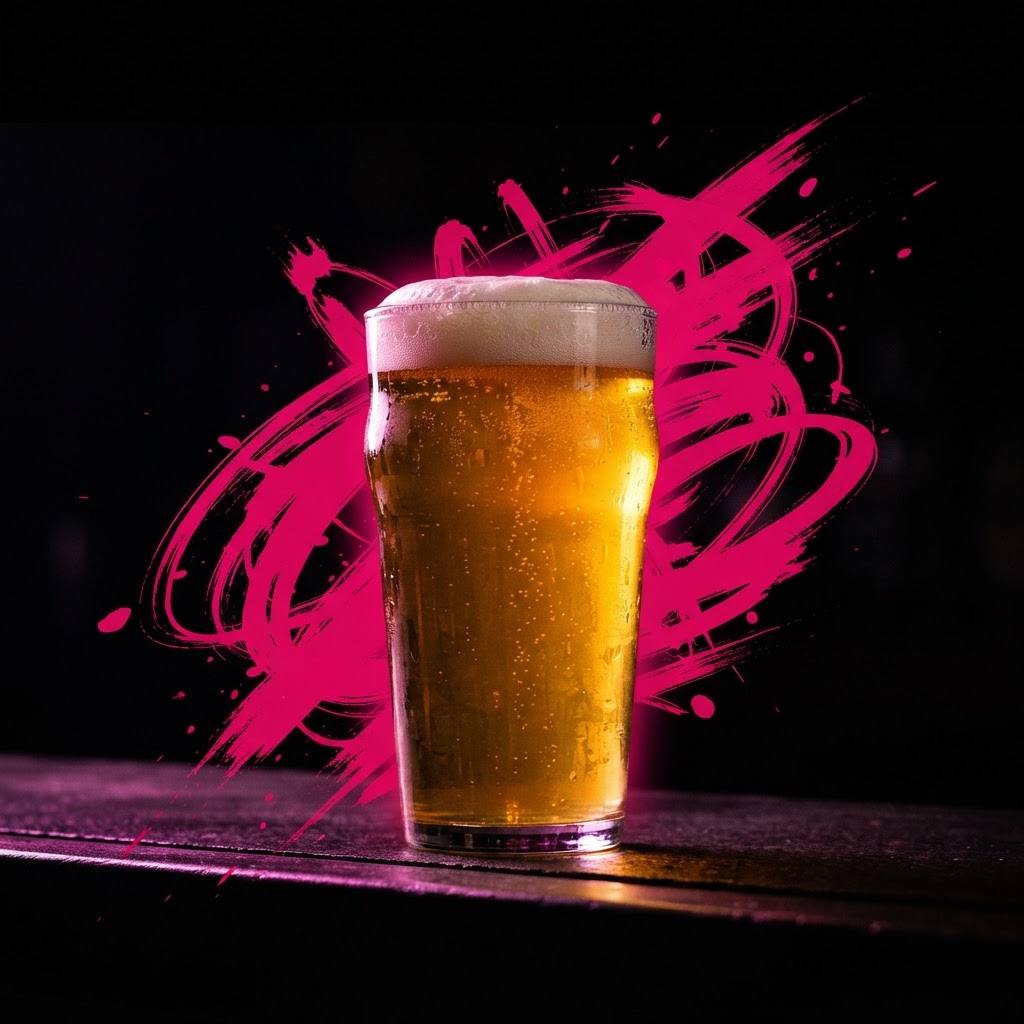
Why Beer Batter Changes Everything in Fish & Chips
When it comes to legendary comfort food, few dishes command as much devotion as classic fish & chips. Yet anyone who has ever suffered through a limp, greasy, or doughy filet knows that true perfection is surprisingly hard to master. The difference between an average fry and a golden, feather-light masterpiece comes down to one critical culinary decision: the batter.
While traditional recipes once relied simply on flour and water, genuine pub culture elevated the art form with beer batter. Infusing real craft ale into the mix transforms the crust into an airy, shatteringly crisp shell that protects the delicate white fish beneath.
Here is a deep dive into the science of beer batter, how it works, and why it defines the ultimate pub plate.
The Science of the Crunch: Carbonation and Vapor
At first glance, mixing ale into flour looks like a simple substitute for water or milk. In reality, it is a brilliant display of food science driven by two key elements: carbon dioxide (CO2) and alcohol.
- Bubbles and Aeration: Cold, freshly poured beer is saturated with dissolved carbon dioxide. When whisked lightly into the flour, these tiny gas bubbles aerate the batter, creating an emulsion resembling a light foam rather than a dense paste. When the submerged fish meets hot frying oil (ideally 180°C / 350°F–375°F), the trapped gas rapidly expands, lifting the crust away from the fish and turning it micro-perforated and intensely crunchy instead of heavy.
- Lower Boiling Point: Alcohol evaporates at a lower temperature than water. As the battered filet hits the hot oil, the volatile alcohol flashes off faster, drying out the exterior crust before the delicate fish inside can overcook or dry out.
- Thermal Shock: The colder the batter, the better the reaction. When ice-cold beer batter meets blazing frying oil, the temperature differential creates an immediate, crisp crust that acts as an impermeable barrier against excess grease.
Steaming the Fish from the Inside Out
Great battered fish relies on contrast. The crust must crackle under the fork, while the fish inside remains steaming, flaky, and exceptionally juicy.
Because cold beer batter seals almost instantaneously in clean frying oil, it locks inside all the natural moisture of the filet. The cod or haddock does not fry directly; instead, it gently steams within its own juices inside a private, golden cocoon. This delicate dynamic avoids the rubbery, dried-out texture so common in heavy, egg-based batters.
For those wandering the vibrant streets of Rome looking for a genuine British tavern experience, Testardo in Trastevere (Viale di Trastevere 192) crafts its beloved Fish & Chips with this exact culinary discipline. By pairing prime, flaky white fish with crisp, beer-infused batter and hand-cut chips, it brings true pub heritage directly to the capital.
The Flavor Factor: Malt, Hops, and Crust Browning
Beyond textural crunch, beer supplies a sophisticated layer of savory flavor that tap water simply cannot provide:
- Malt Sugars and the Maillard Reaction: Beers naturally contain residual sugars and amino acids from malted barley. Under high frying heat, these compounds trigger the Maillard reaction and subtle caramelization, yielding a gorgeous amber-gold hue and deep, biscuit-like aromas.
- Balancing Bitterness: The subtle hop bitterness cuts cleanly through the richness of the oil, leaving a clean, balanced finish on the palate that begs for fresh lemon and tart, caper-laced tartar sauce.
- Choosing the Right Style: Heavy stouts can overwhelm white fish and turn batter dark prematurely, while intensely bitter double IPAs can leave an astringent aftertaste. Well-crafted pale ales, golden ales, and light British bitters provide the ideal balance of bright carbonation and mild bready malt.
Perfect Pairings: What to Sip Alongside
Enjoying fish and chips is only half the experience; finding the ideal pour completes the ritual. The richness of deep-fried food calls for beverages that refresh the palate and highlight the savory profile of the batter:
- Traditional Cask Ales & Bitters: An English bitter or cask-conditioned pale ale offers gentle carbonation, toasted grain notes, and a dry, earthy finish that mirrors the malt in the batter.
- Crisp Session IPAs & Pilsners: If you prefer elevated hop aromas, a crisp lager or dry-hopped session pale ale provides the brisk carbonation and citrus bite needed to slice through the richness of fried chips and tartar sauce.
- Cider: Dry apple cider introduces refreshing orchard acidity, complementing the natural sweetness of the cod.
Whether you are seated in front of the big screens catching European football tournaments or rounding out a craft beer tour across Rome, a freshly fried plate at Testardo alongside a cool pint proves that when it comes to fish and chips, beer batter changes everything.